Effective and Affordable Homemade Thrush Treatment for Horses
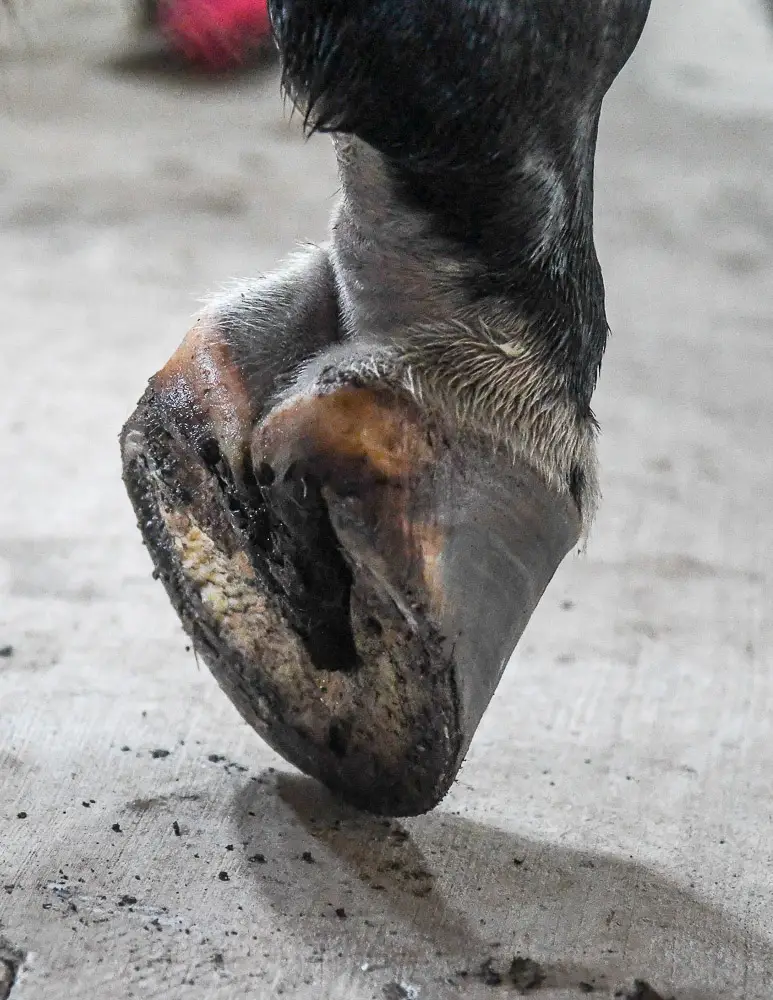
Thrush in horses is a common bacterial infection that affects the hoof, specifically the frog (the V-shaped structure on the sole of the hoof). Often, these types of infections linger, causing future biomechanical issues. In this post, we’ll explore what thrush is, common causes and contributing factors, how to create my homemade thrush treatment and how to safely apply.
Understanding Thrush in Horses
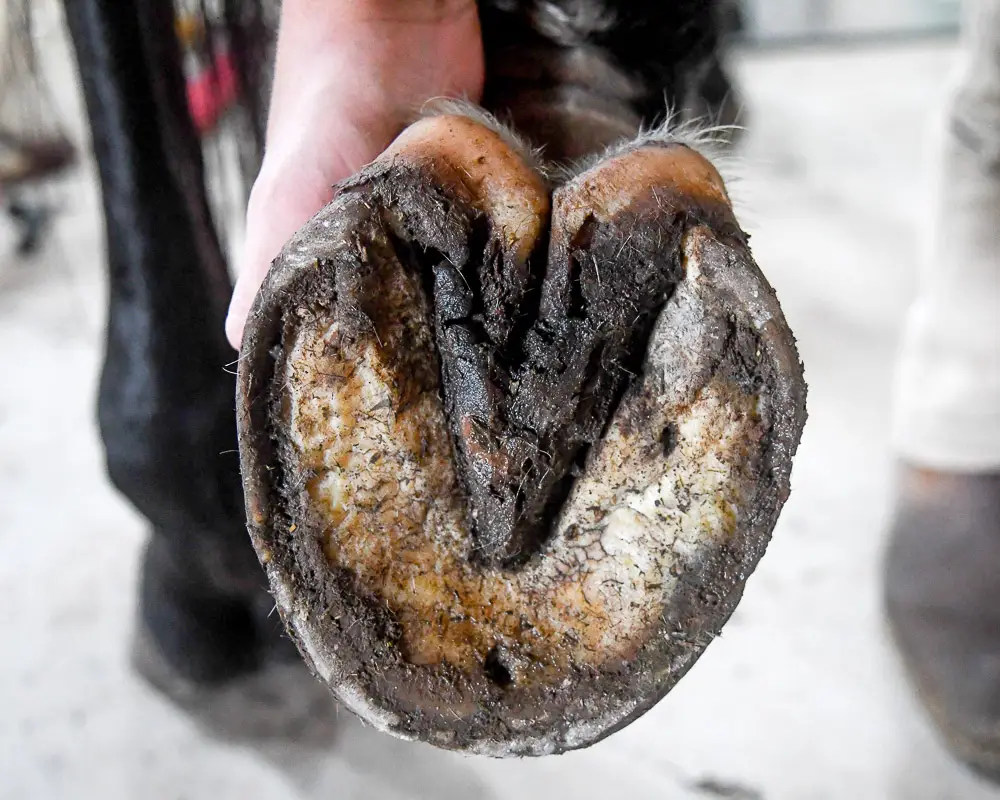
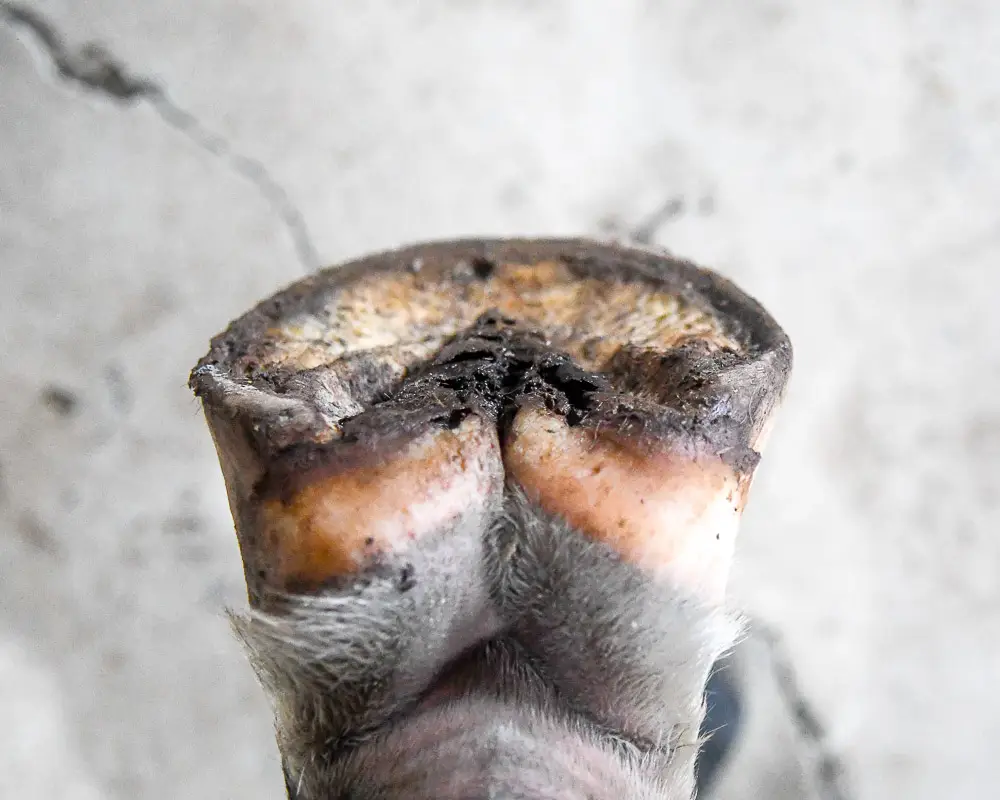
Most cases of thrush in horses come from a common bacterial infection, specifically forming around the frog, the sulcus, and sometimes the heel.
It’s caused by anaerobic bacteria, primarily Fusobacterium necrophorum, which thrive in moist, dark, and poorly oxygenated environments.
Key Characteristics and Symptoms of Thrush
Foul-smelling discharge: This is often the most noticeable sign and is typically black or dark in color, sometimes oily or watery.
Deepening of the sulci (grooves): The grooves on either side of and in the middle of the frog can become deeper and more susceptible to trapping debris and moisture.
Tenderness or pain: In more severe cases, the horse may show sensitivity when the affected area is picked or touched, and can even become lame.
Fissures or deep pockets: Severe cases can lead to the formation of open sores or pockets extending towards the heel bulbs.
While thrush can occur even in well-maintained hooves, several factors increase the risk:
Wet and unhygienic conditions: Prolonged exposure to mud, manure, urine, or deep, wet bedding creates the ideal anaerobic environment for the bacteria to flourish.
Poor hoof care: Infrequent hoof picking and irregular farrier care can allow debris to accumulate and prevent the hoof’s natural self-cleaning mechanism.
Poor hoof conformation: Horses with deep frog clefts, narrow heels, or imbalanced feet may be more susceptible as these conformations can trap moisture and limit airflow.
Poor nutrition: A balanced diet is essential for healthy hoof growth, which can improve the hoof’s resistance to infection.
Homemade Thrust Treatment
What if you could take control of the situation with a targeted, cost-effective, and highly effective homemade treatment?
To make my homemade thrush treatment, I use 3 simple ingredients.
Copper Sulfate
Copper sulfate is a well-known antimicrobial agent and is effective against the bacteria Fusobacterium necrophorum. This isthe primary bacterium responsible for thrush. Some research suggests copper sulfate can also promote blood supply and tissue healing (angiogenesis), helping to heal the sensitive tissue of the frog.
Zinc Oxide
Zinc oxide has mild astringent properties, contributing to the drying effect on the frog. It’s also known for its soothing properties, which can help alleviate the tenderness and irritation associated with thrush, making the horse more comfortable.
Clotrimazole is an antifungal medication (an imidazole). While thrush is primarily bacterial, secondary fungal infections can sometimes complicate severe cases.
What You'll Need
Most of these ingredients you can purchase through a local convenience store or online. Make sure you’re reading labels for the correct concentrations of the active ingredients; not all are created equally.
Additionally, be careful when handling copper sulfate can be irritating to eyes and skin.
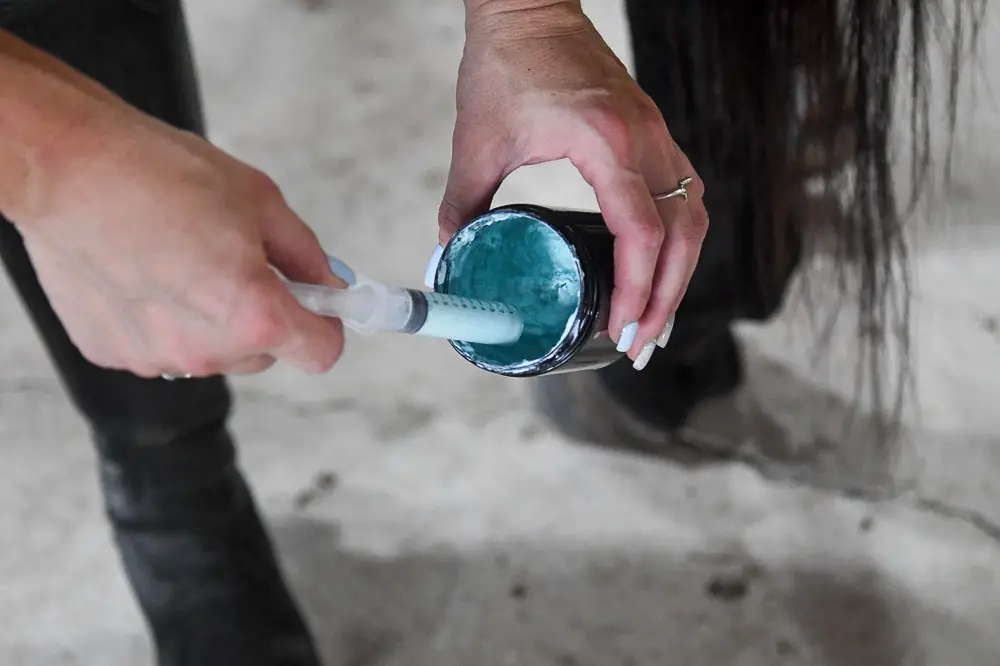
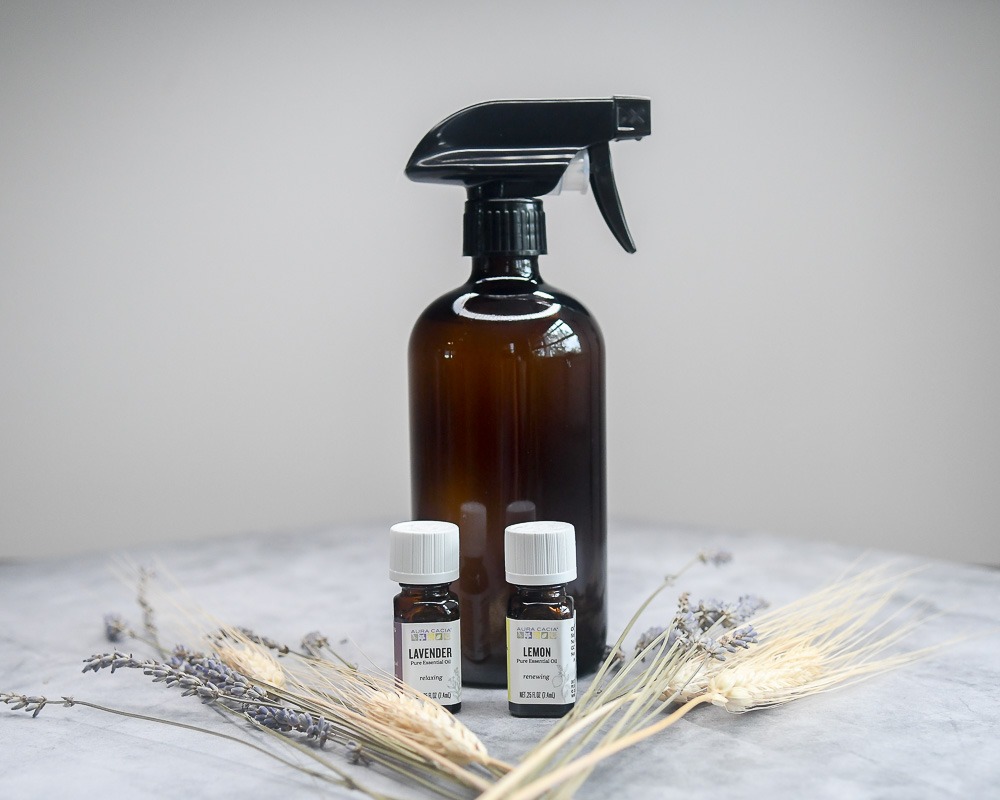
I use 8 oz dark containers to protect the active ingredients from degradation due to light exposure. Therefore, my recipe per container is:
Take care to mix all the ingredients until combined thoroughly, using caution to not let the mixture interact with anything metal. Copper sulfate reacts when introduced to anything metal.
Application
Before application, thoroughly clean the affected hoof. Use a hoof pick to remove all dirt, mud, and debris from the sole, frog, and especially the sulci (grooves beside and in the middle of the frog).
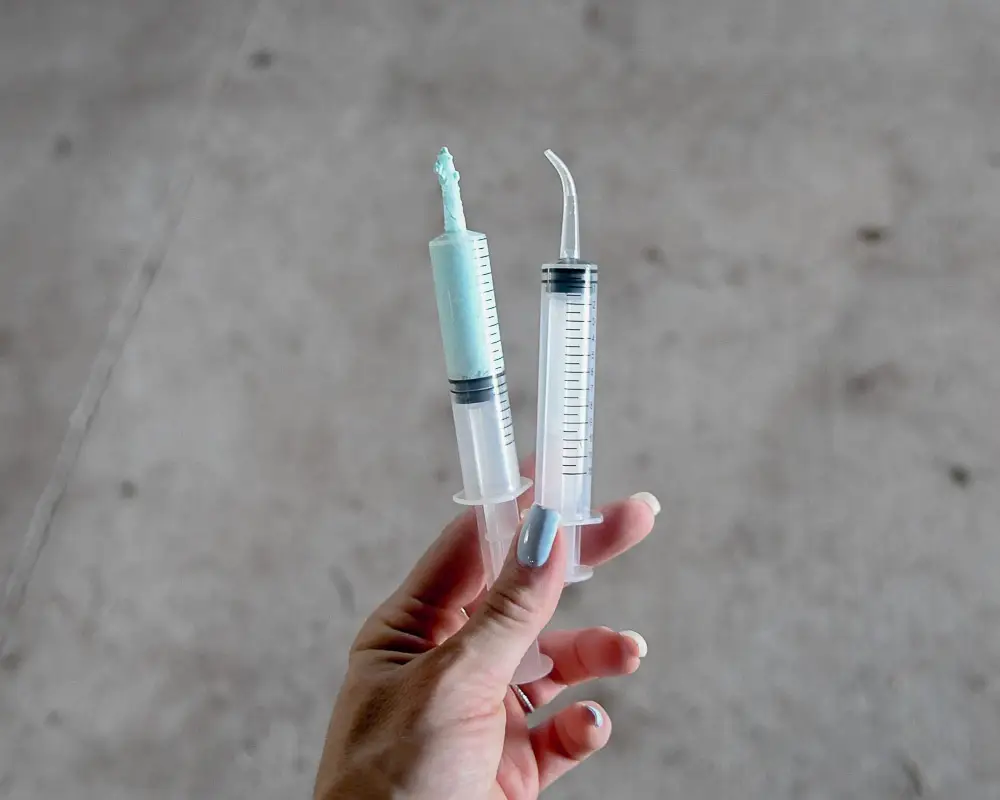
I recommend flushing the deep pockets using an “all-in-one” 12g syringe if the horse is too tender to tolerate a pick. Consider flushing with apple cider vinegar over water; it also aids in preventing bacterial growth.
Dry the hoof as much as possible with a clean towel or allow it to air dry.
Thanks for visiting my little piece of the internet!
I’m Maria, a lover of furry things, coffee and anything creative. This blog is where I love to share affordable home decor ideas, great DIYs, yummy recipes, unique crafts and so much more.